

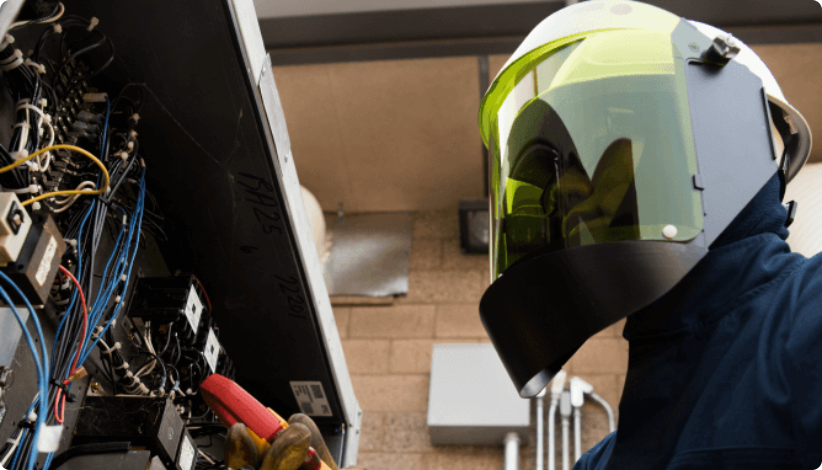
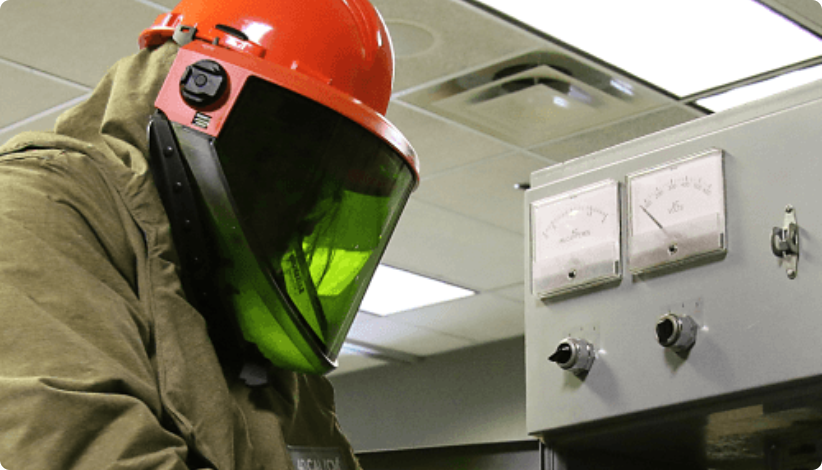
Arc Flash suits are used in situations where electrical systems pose a risk of releasing intense energy through an arc flash event. Commonly utilised by professionals in the electrical, utility, and industrial sectors, arc flash suits are offer multiple levels of protection categorised according to their ability to shield against thermal energy, flames, and other hazardous elements.
In this article, we will explore the attributes of arc flash suits, their applications, intended users, and the distinct categories of protection they provide, highlighting the paramount importance of these suits in ensuring worker safety and mitigating potential workplace hazards.
WHEN ARE ARC FLASH SUITS REQUIRED?
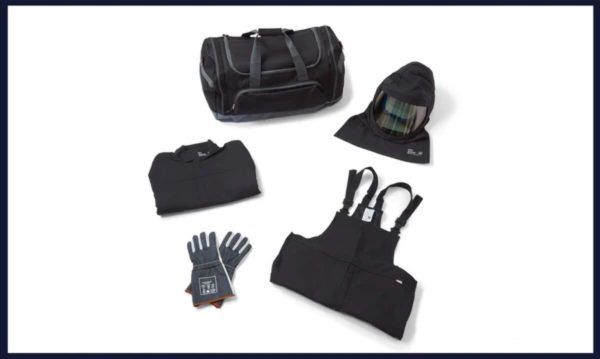
A comprehensive arc flash kit incorporates a range of essential components, each provide protection against the hazards associated with arc flash incidents. The kit typically consists of:
- Arc Flash Hood: A hood designed to cover the head and neck, often featuring a built-in face shield. This component shields against radiant energy, intense heat, molten materials, and debris.
- Arc Flash Jacket: A flame-resistant jacket tailored to cover the upper body, providing a barrier against extreme temperatures and potential burns resulting from arc flashes.
- Arc Flash Dungarees or Trousers: Specially designed trousers or dungarees that offer protection for the lower body. These garments help guard against thermal hazards and electrical risks arising from arc flash events.
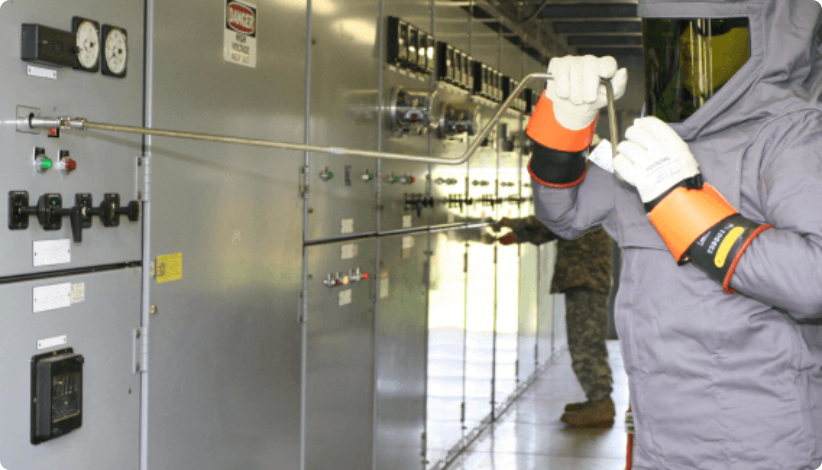
- Arc Flash Gloves: Insulated gloves made from arc-rated materials, intended to safeguard the hands from burns and electric shocks while maintaining dexterity.
- Storage Bag: A dedicated bag for storing and transporting the components of the arc flash kit. This ensures easy access and proper organisation of the protective gear.
WHEN DO I NEED TO WEAR MY ARC FLASH SUITS?
Arc flash suits are required wherever there is potential for a high-power electrical explosion. These typically occur in and around power lines, generators, switches, storage facilities and other electrical equipment.
Arc flashes and explosions can be caused by structural failure, damaged or failed insulation, root or tree branch damage, tools bridging the gap, bird or rodent nests, lightning strike, wind damage, or by failure to de-energise the components prior to work beginning (i.e. human error). Whenever these types of conditions exist, an arc flash suit with the appropriate rating is required. Here are some examples of situations you would consider wearing an Arc Flash Suit:
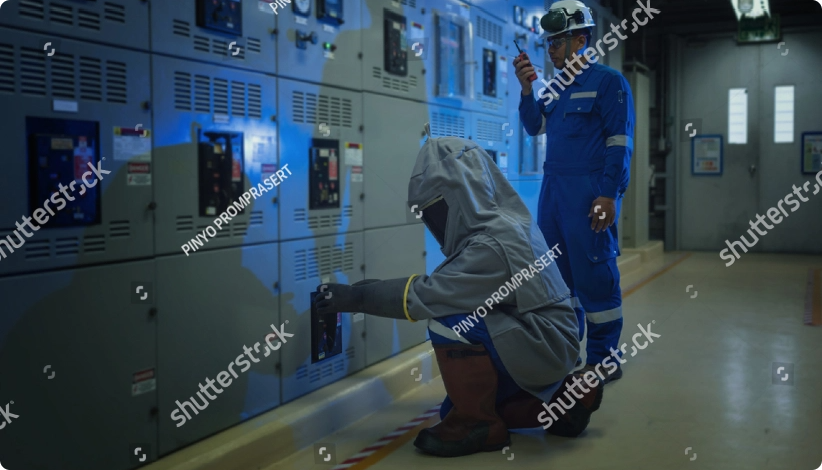
- Switchgear Operations: When interacting with electrical equipment like switchgear, arc flash suits provide indispensable protection against arc flash incidents during maintenance, inspections, or troubleshooting.
- Electrical Panel Work: Wiring, repairing, or maintaining electrical panels pose inherent risks, demanding the use of arc flash suits to mitigate potential dangers.
- Circuit Breaker Maintenance: Activities involving circuit breaker maintenance and repair require the full-body coverage offered by arc flash suits to prevent severe injuries.
- Panel Inspections: During inspections, repairs, or maintenance of electrical panels and distribution boards.
HOW OFTEN DO ARC FLASH SUITS NEED TO BE TESTED?
Because arc flash suits don’t provide any shock protection, they do not require periodic, non-destructive testing. Arc flash testing is destructive and so, is not required. However, there are recommendations out there for maintenance:
- Consider replacing the clothing for the suit every 10 years (this will depend on how often you are using the suit, less frequent usage may result in the kit lasting longer)
- Keep your arc suit clothing free of oil, grease, dust or – carefully read the laundering instructions to maintain the integrity of the garment.
- Refresh your face shield every 5 years. Should the face shield show substantial scratches or discolouration, take immediate action to replace it.
- Audit your full kit – take the time to look for scratches on your helmet, rips or snags in your clothing and take the safest course of actions after the audit and replace where necessary.